Every business generates confidential documents — employee records, financial statements, customer data, strategic plans, legal correspondence. And every one of those documents becomes a liability the moment it's no longer needed. Secure document destruction isn't just good practice — for many businesses, it's a legal requirement with serious penalties for non-compliance.
#Who Needs a Destruction Program
If your business handles any of the following, you are legally required to have a document destruction policy and process: protected health information (HIPAA), consumer financial information (FACTA Disposal Rule), publicly reported financial records (Sarbanes-Oxley), student education records (FERPA), or customer personal information (various state privacy laws including Georgia's own data protection statutes).
#On-Site vs. Off-Site Shredding
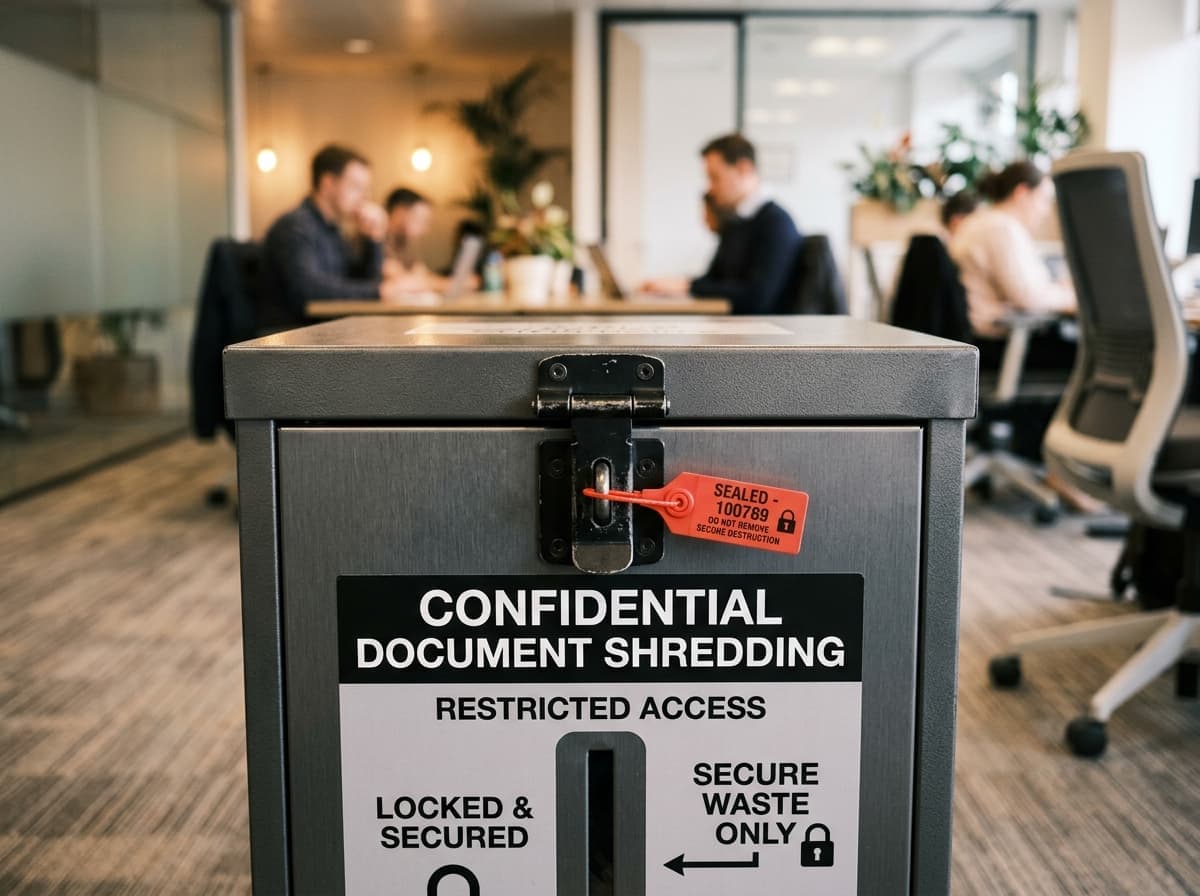
On-site shredding means a mobile shredding truck comes to your facility and destroys documents while you watch. Off-site shredding means documents are collected in secure bins, transported to a shredding facility, and destroyed there. On-site shredding provides the strongest chain of custody because the documents never leave your premises — you can witness the destruction in real time. Off-site shredding is typically less expensive per pound and may be more practical for large-volume destruction events.
#How to Vet a Shredding Vendor
The single most reliable filter is NAID AAA Certification, administered by i-SIGMA. A certified vendor undergoes regular, often unannounced, third-party audits of its security, employee screening, and destruction processes. Beyond certification, confirm the vendor performs background checks on personnel, uses GPS-tracked and locked vehicles, issues a certificate of destruction for every job, and recycles 100% of the shredded paper.
#Keep the Paper Trail
Compliance is something you have to be able to prove. For every destruction event, retain a certificate of destruction documenting the date, method, volume, and the vendor that performed it. HIPAA-covered entities must keep these records for six years; for other businesses, match the retention period of the records you destroyed. Done consistently, that file is your complete defense in an audit.
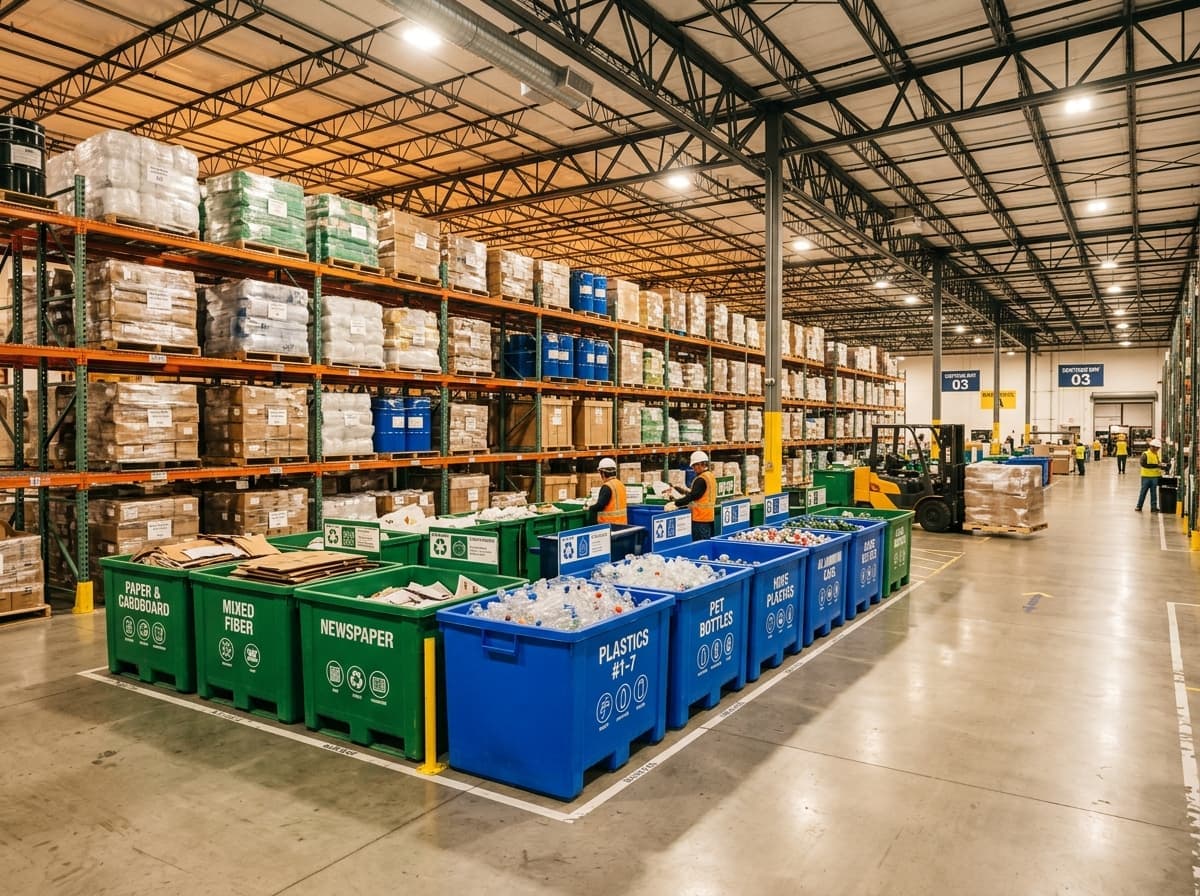
A good shredding program also closes the loop environmentally — every pound destroyed is recycled rather than landfilled. Our secure paper shredding service pairs certified, chain-of-custody destruction with full recycling and a certificate for your records.