Electronic waste is the fastest-growing waste stream in the United States, and Georgia businesses are producing more of it every year. Whether you're cycling out old office computers, decommissioning network infrastructure, or disposing of manufacturing equipment with electronic components, you're handling e-waste — and you're subject to a growing body of federal and state regulations governing its disposal.
#What Counts as E-Waste in Georgia
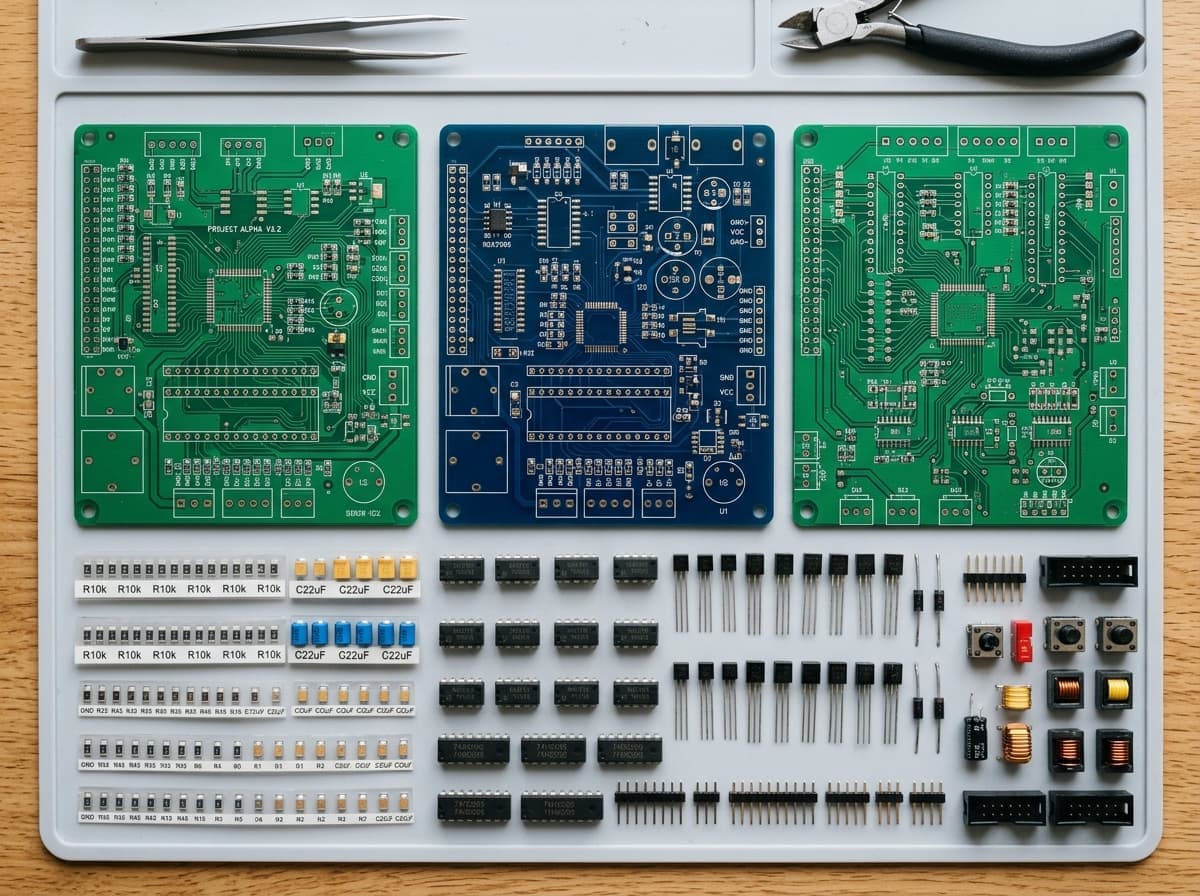
Georgia's definition of electronic waste is broader than most businesses expect. Any device containing a circuit board is classified as e-waste under the Georgia Comprehensive Solid Waste Management Act. This includes obvious items like computers, monitors, and servers, but also printers, copiers, phones, tablets, networking equipment, point-of-sale terminals, security cameras, and any electronic sensor or control device. Our electronics recycling service handles every one of these categories.
#Choosing a Certified E-Waste Recycler
Not all e-waste recyclers are equal. The two industry-recognized certifications are R2 (Responsible Recycling) and e-Stewards, both of which require third-party audits, environmental management systems, and downstream accountability. Choosing a certified recycler protects your business from liability if improperly handled e-waste causes environmental damage or data exposure.
#Data Destruction Requirements
Any e-waste device that stored data — hard drives, SSDs, phones, tablets, copiers with internal storage — must have that data destroyed before or during the recycling process. NIST Special Publication 800-88 defines three levels of media sanitization: Clear (overwrite), Purge (degauss or cryptographic erase), and Destroy (physical destruction). For most business-critical data, physical destruction is the only method that provides complete certainty.
#Documentation You Must Keep
Compliance is proven by paperwork, not good intentions. For every batch of electronics you recycle, your vendor should provide documentation that you retain for at least three years. If a regulator, auditor, or client ever asks how you disposed of a data-bearing device, these records are your defense.
- A certificate of recycling identifying the recycler, date, and equipment processed
- A certificate of data destruction listing each data-bearing device by serial number and the sanitization method used
- Chain-of-custody records tracking equipment from your facility to final processing
- The recycler's current R2 or e-Stewards certification on file
#What Improper Disposal Actually Costs
The risk of cutting corners on e-waste isn't just a disposal fine. It's the data breach from a hard drive that was "wiped" with a factory reset, the client contract lost over a failed security audit, and the cleanup liability if hazardous components leach from a landfill. Certified recycling and documented destruction cost far less than any one of those outcomes — and they turn a compliance obligation into a clean, defensible process.
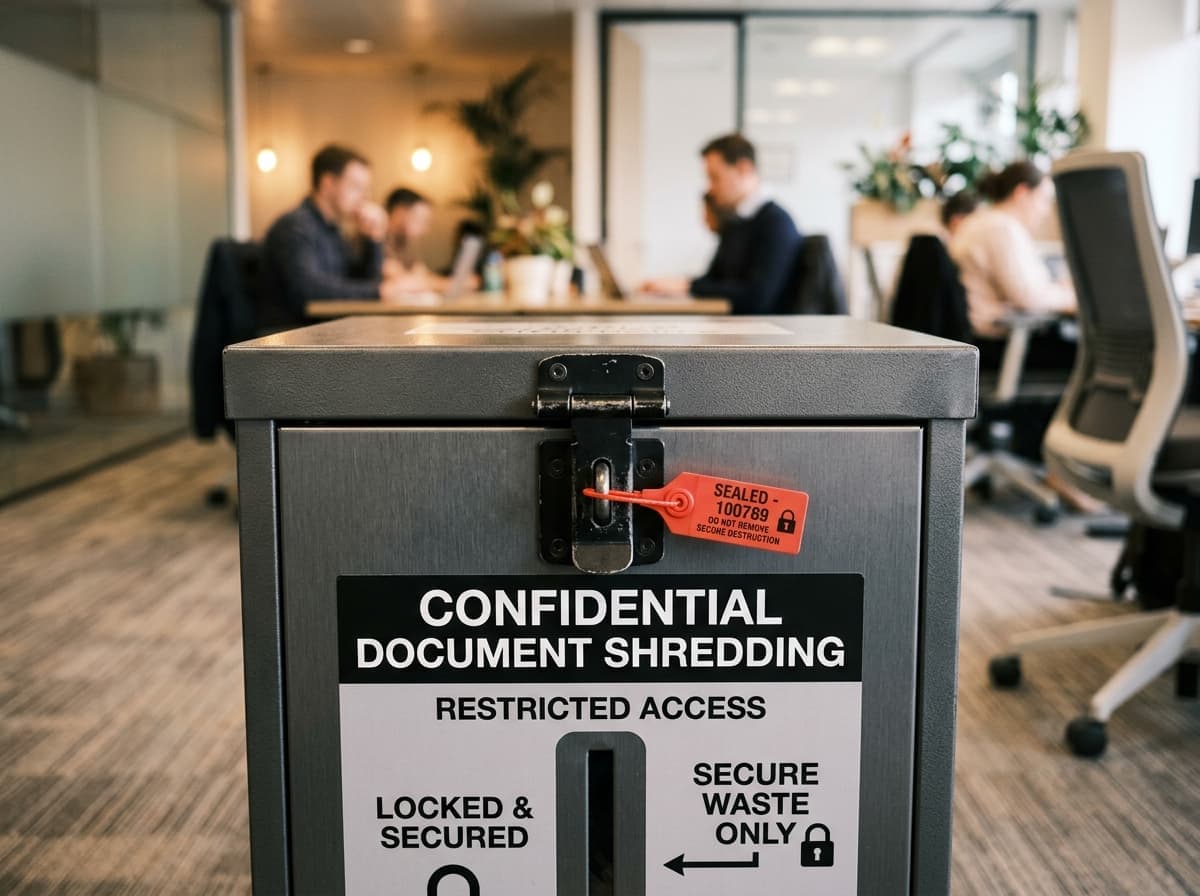
If your business is decommissioning equipment, pair certified e-waste recycling with secure document shredding so paper and digital records are retired under the same chain-of-custody standard.