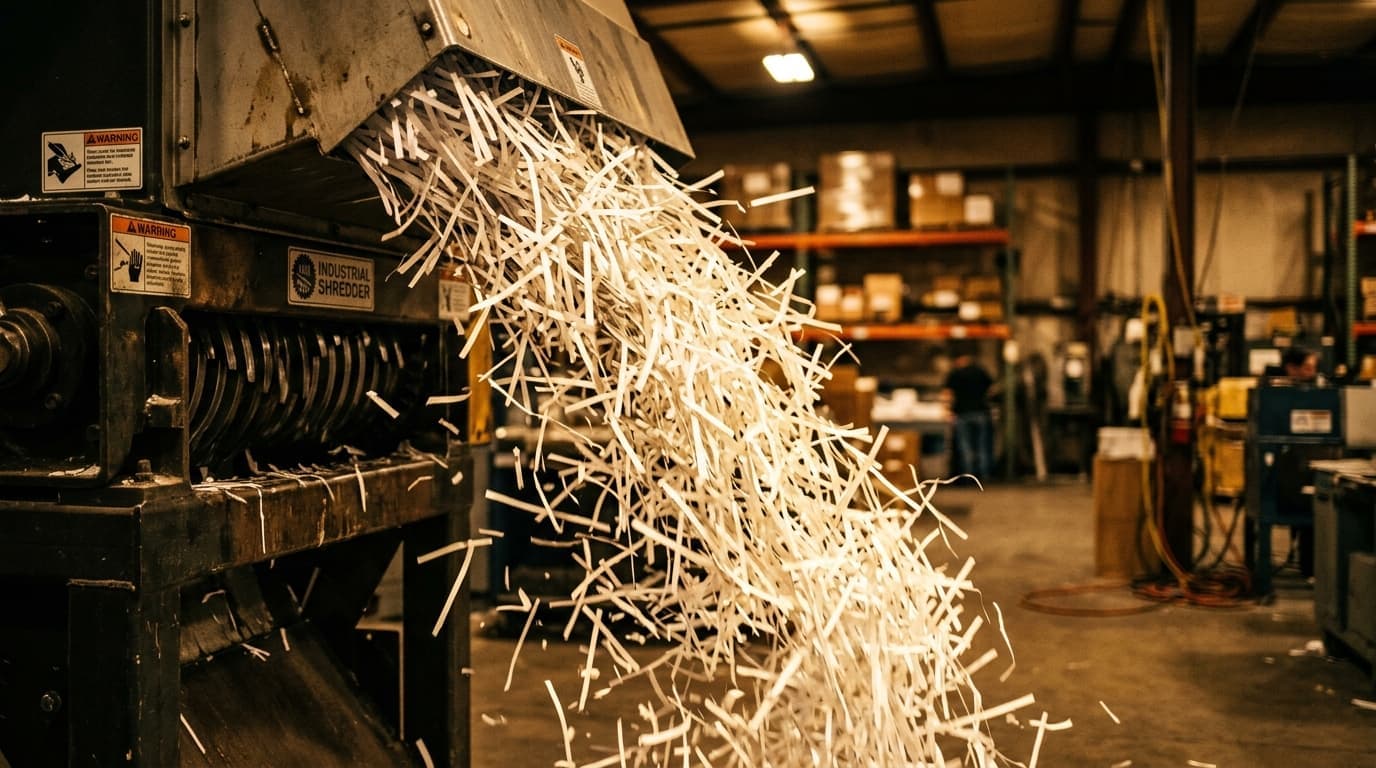
The fastest way for an Atlanta business to cut recycling costs is to stop paying for the wrong program. Most overspending comes from oversized hauling service, recyclables thrown away instead of sold, and invoices no one reviews — not from recycling itself. The five moves below attack each of those directly.
#Why Atlanta businesses overpay for recycling
Most commercial waste and recycling contracts are signed once and then run on autopilot for years. Pickup frequency was set for a busier season, container sizes were guessed at, and fuel, environmental, and "administrative" surcharges have crept onto the invoice ever since. Meanwhile valuable material — clean cardboard, scrap metal, retired equipment — goes into the same stream you pay to haul away. The fix isn't recycling less; it's matching the program to what your facility actually produces. Our complete business recycling guide walks through the full setup, but these five levers deliver most of the savings.
#1. Right-size your service with a waste audit
Start by measuring, not guessing. A waste audit reviews what your business actually discards and how often — and the EPA recommends a waste assessment as the first step to reducing disposal costs. It almost always surfaces oversized containers, pickups that are too frequent, and recyclables landing in the trash. Our environmental consulting team can run this assessment and right-size your service in one visit.
- Containers larger than your real volume (you pay for air)
- Pickup frequency set higher than you need
- Recyclables — cardboard, metal, paper — going into general waste
- Contamination that triggers penalty fees
#2. Capture the value of your recyclables
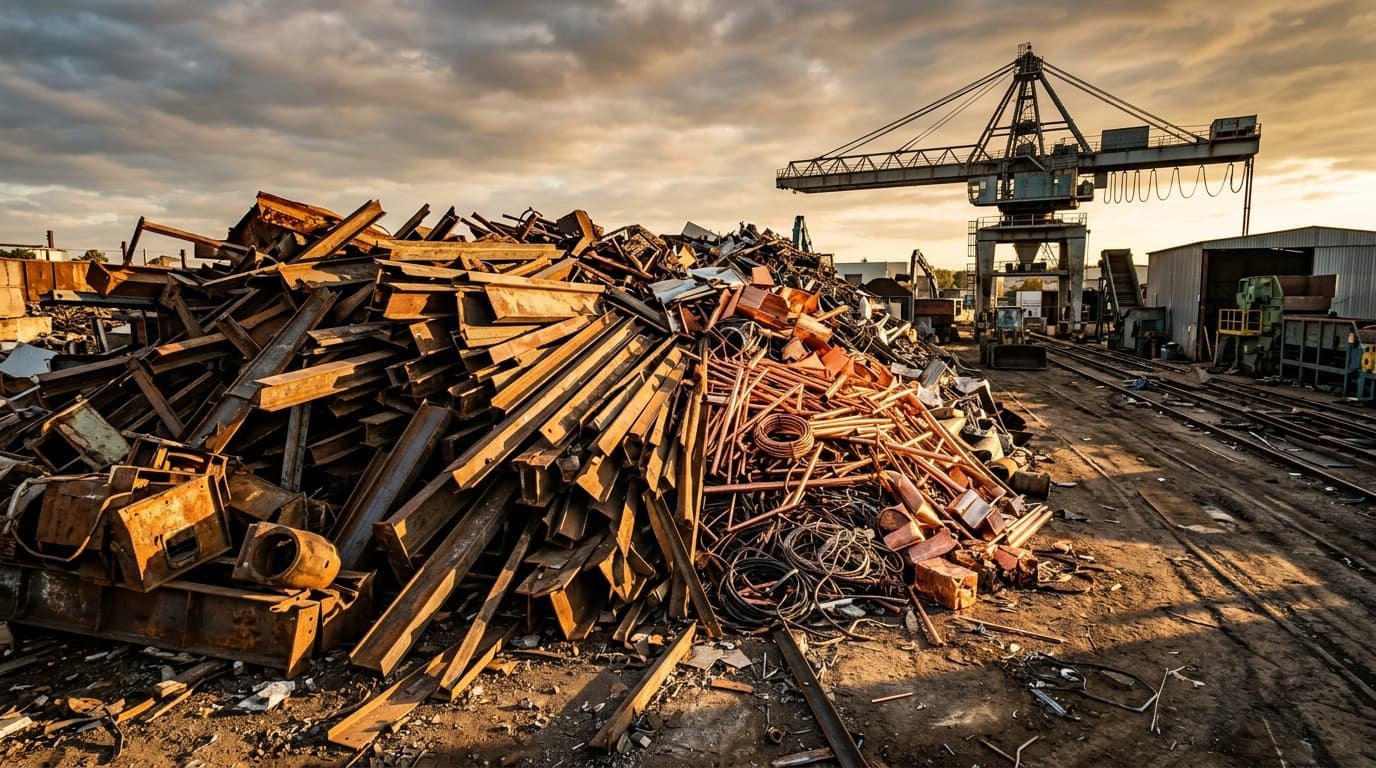
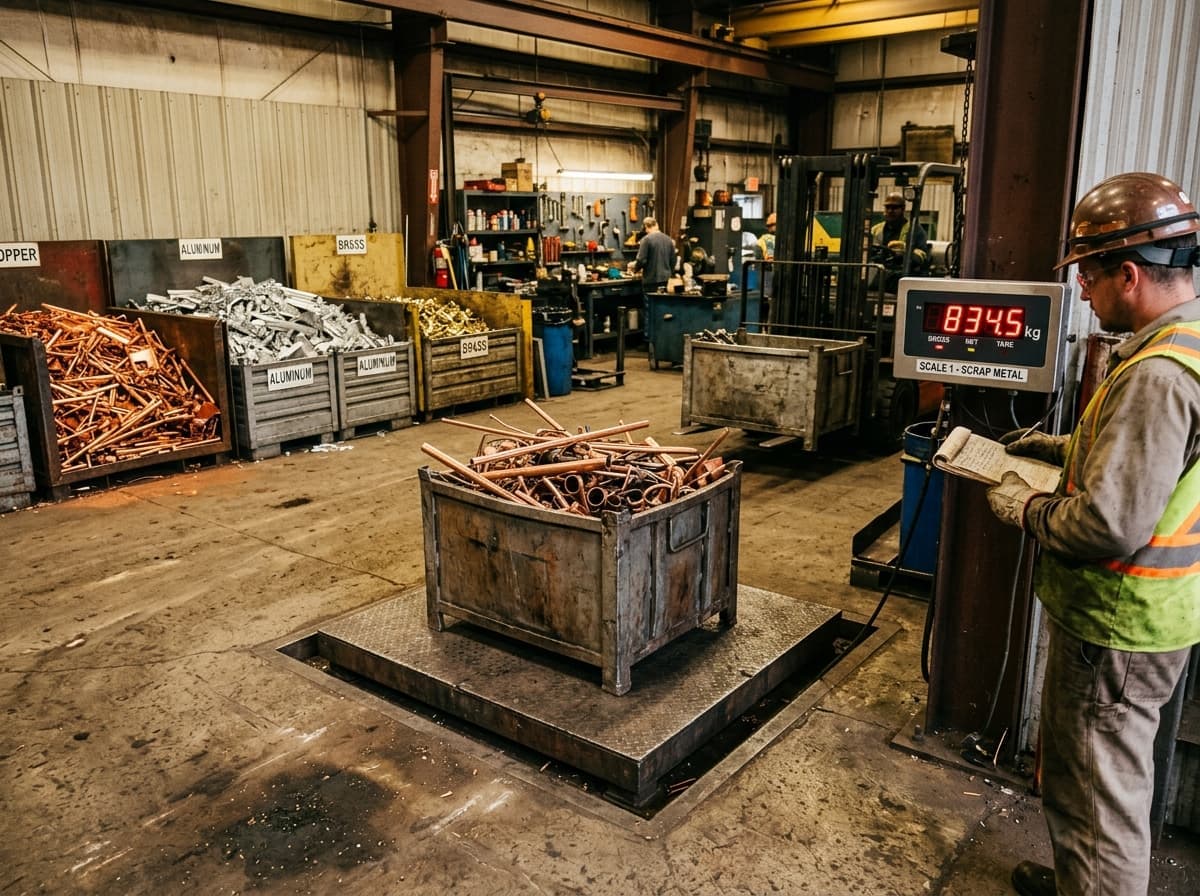
Some of what you throw away is worth money. Old corrugated cardboard (OCC) and scrap metal are priced on published commodity indexes, which means the right partner pays you for them instead of charging you to remove them. Scrap metal recycling and bulk OCC management can flip those streams from a line-item cost into a rebate. If you want to understand how those prices are set, our scrap metal pricing guide breaks it down.
- Steel, copper, aluminum, and brass all carry recoverable value
- Baled or high-volume cardboard qualifies for rebates, not disposal fees
- Retired equipment and machinery can be recovered for material value
#3. Consolidate haulers with one local partner
Many businesses pay one vendor for trash, another for cardboard, and a third for electronics or scrap — each with its own trip charge, fuel surcharge, and invoice. Consolidating those streams with a single local hauler removes duplicate stop fees, replaces three bills with one, and gives you far more leverage at renewal. One partner who sees all your volume can also spot diversion opportunities the siloed vendors never will.
#4. Divert more from the landfill
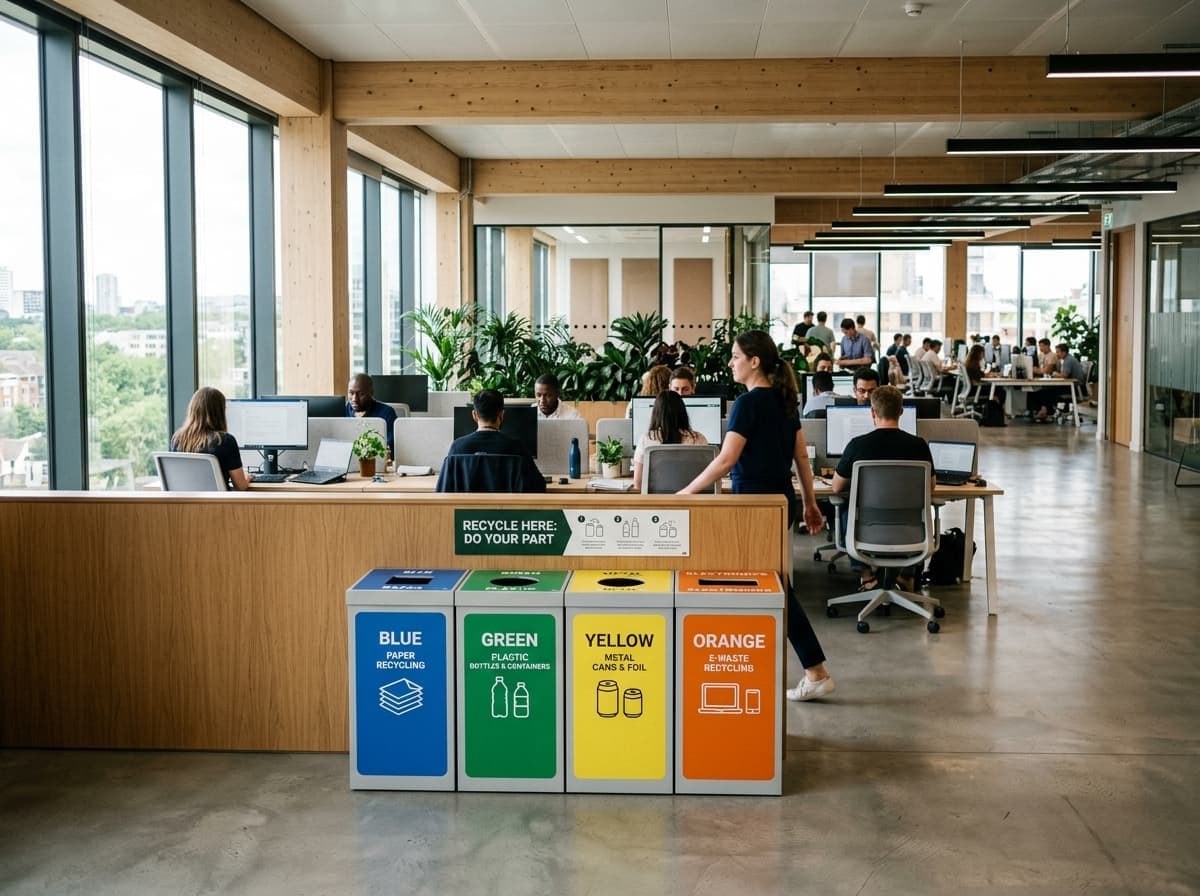
Landfill disposal is billed by weight, so every ton you divert into recycling is a ton you stop paying to dump — the EPA's WARM model quantifies both the cost and emissions impact of that shift. Diversion and cost reduction pull in the same direction. Setting up clearly labeled streams and training staff (the core of our corporate recycling program guide) steadily lowers the tonnage on your disposal invoice, and it moves you toward the goals in Atlanta's zero-waste plan.
#5. Audit your invoices and contract terms
Read the contract you are actually paying. Recycling and waste invoices are full of charges that have nothing to do with the material: fuel surcharges, environmental fees, container rental, overage and contamination penalties, and automatic annual rate increases. Many agreements also auto-renew with a narrow cancellation window. A line-by-line review — and a willingness to push back — often recovers more than any operational change.
#Where the savings actually come from
| Cost lever | What it reduces | Effort |
|---|---|---|
| Right-sizing service | Monthly hauling & container fees | Low — one audit |
| Commodity rebates | Net cost (can become revenue) | Low |
| Vendor consolidation | Per-stop fees & admin time | Medium |
| Landfill diversion | Disposal tonnage charges | Medium |
| Invoice & contract review | Surcharges & overage fees | Low |
#Start with one pickup, not a whole overhaul
You don't need to rebuild your whole program to start saving — begin with a single audit and one consolidated pickup. Keep in mind that qualifying Atlanta businesses are also required to recycle under the city's commercial recycling ordinance, so optimizing your program keeps you compliant and cheaper at once. Request a free site assessment and we'll show you where your current setup is leaking money.