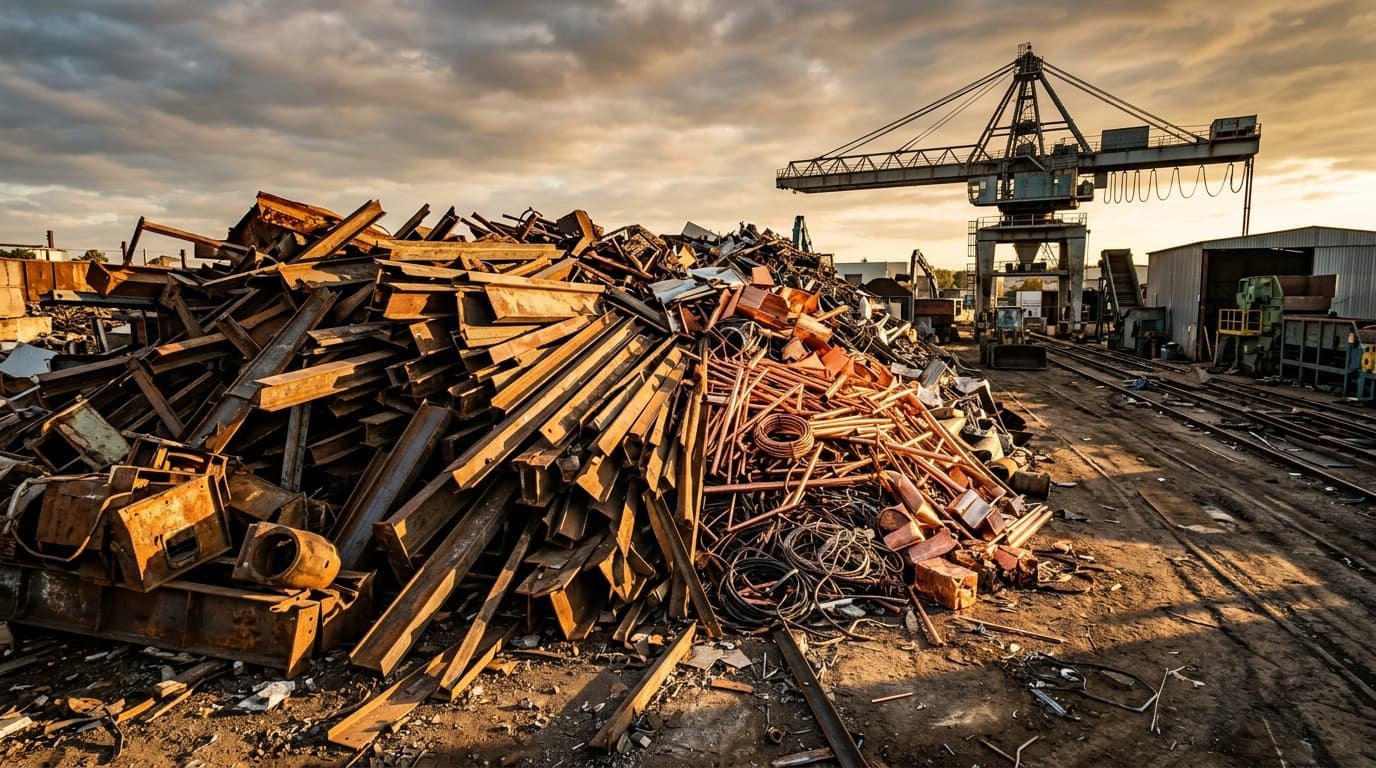
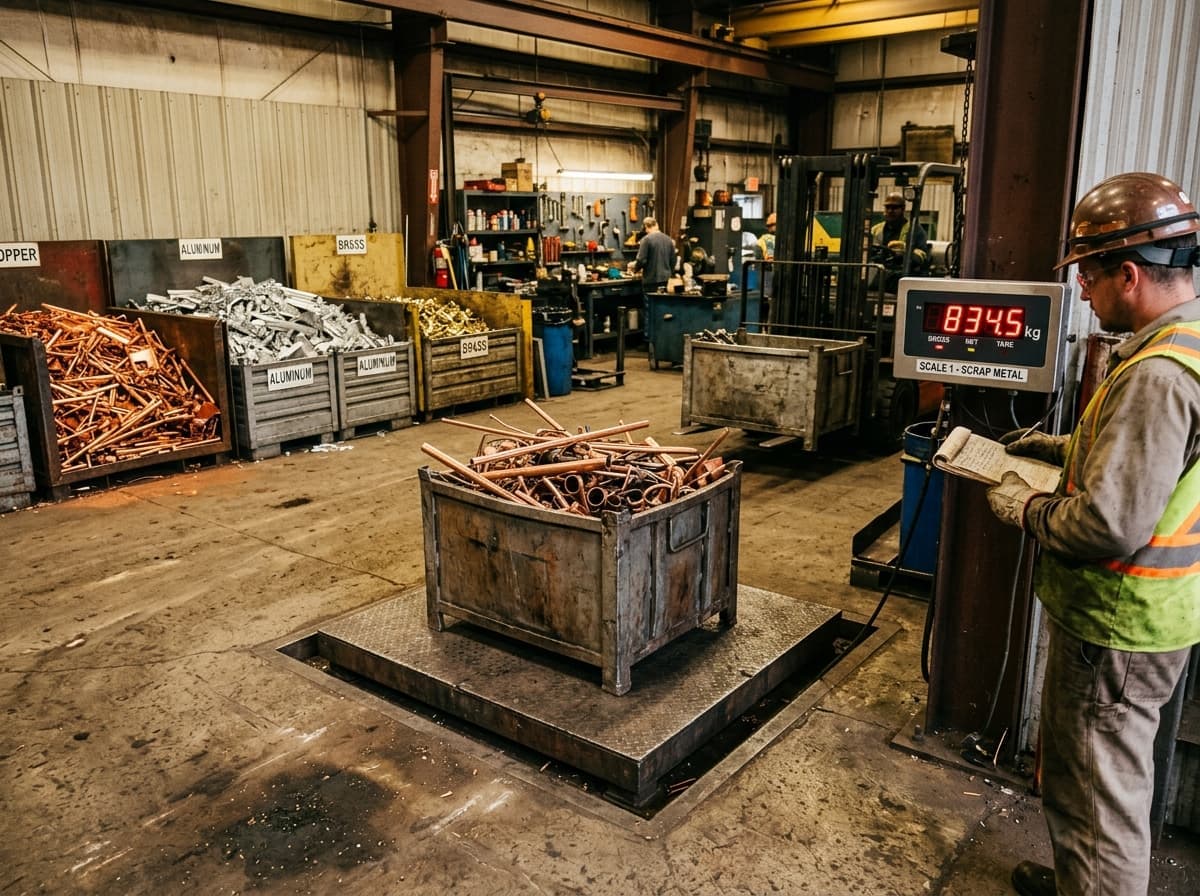
Every operations manager has seen it: the overflowing dumpster behind the loading dock, the recycling bin stuffed with pizza boxes and coffee cups, the quarterly waste-hauling invoice that keeps climbing. Setting up a corporate recycling program sounds simple enough until you actually try to do it. But it doesn't have to be painful. We've helped hundreds of Atlanta-area businesses build recycling programs from scratch, and the ones that stick all follow the same five-step pattern.
This guide walks you through each step — from the initial waste audit to the first quarterly review — with real numbers and real timelines drawn from the programs we manage across the metro area. No theory. No aspirational language. Just the mechanics of what works.
#Step 1: Run a Waste Audit
Before you buy a single bin or print a single poster, you need to know what you're throwing away. A waste audit is exactly what it sounds like: sorting through your facility's waste stream over a representative period (usually one full business week) and categorizing every item by type and weight.
The audit tells you three things: what's in your waste stream (paper, plastic, metal, organics, actual trash), how much of each category you generate per week, and where the waste originates within your facility. Without this data, you're guessing — and guessing leads to over-provisioned programs that cost too much or under-provisioned programs that collapse under contamination.
For a mid-size office building (50,000–100,000 sq ft), a typical audit reveals that 35–45% of the waste stream is recyclable paper and cardboard, 15–20% is commingled containers (plastic, glass, aluminum), 10–15% is organic waste (food scraps from break rooms and cafeterias), and the remaining 25–35% is actual landfill-bound material. Those numbers mean that most businesses are sending recyclable material to the landfill — and paying landfill rates to do it.
#Step 2: Design Your Stream Separation
Once you know what's in your waste, you can design a collection system that actually matches. Stream separation — sorting recyclables into distinct categories at the point of disposal — is what separates real recycling programs from performative ones. The more accurately you sort at the source, the higher the quality of your recovered materials and the more value you can capture.
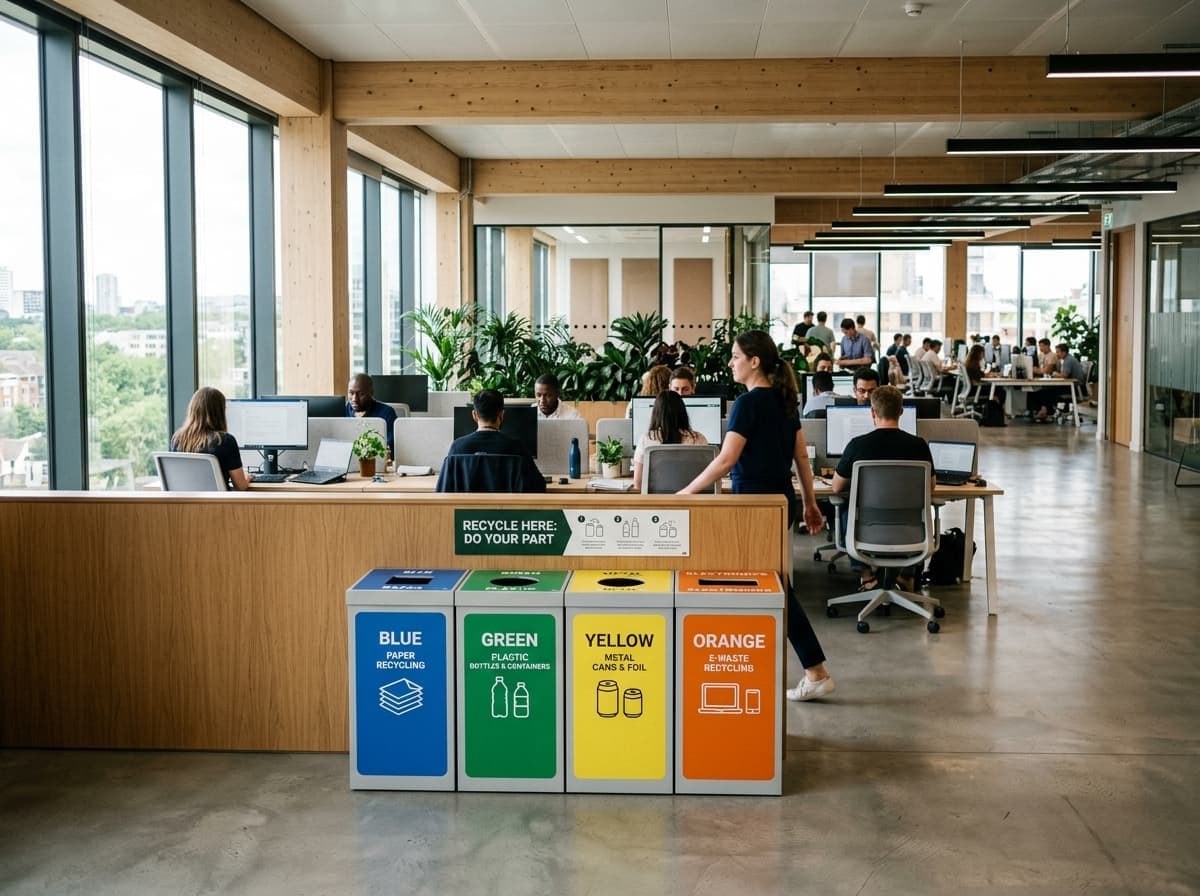
For most office environments, we recommend a three-stream system: paper and cardboard in one bin, commingled containers (plastics, glass, cans) in a second, and landfill waste in a third. If you have a cafeteria or break room with significant food waste, add a fourth stream for organics. Manufacturing facilities, warehouses, and mixed-use properties may need additional streams for metals, wood, or specialized materials.
The programs that survive past the first year are the ones where the bins are closer to people's desks than the trash can is.
Placement matters more than signage. Put recycling bins where people naturally discard things — at desk clusters, in copy rooms, beside vending machines, at building exits. Every study on workplace recycling behavior shows the same thing: convenience drives compliance. If the recycling bin is across the room and the trash can is at your elbow, the recyclable goes in the trash.
- Place paired recycling and trash bins at every natural disposal point
- Use color-coded bins with clear, icon-based signage (not text-heavy labels)
- Remove personal desk-side trash cans to encourage trips to central sorting stations
- Provide large-capacity bins at loading docks and back-of-house areas
#Step 3: Handle Compliance and Documentation
Atlanta businesses aren't just recycling because it's good practice — they're required to. Under Atlanta city ordinance, commercial properties generating more than 100 pounds per week of recyclable material must participate in a recycling program and maintain documentation of their recycling activity. Georgia state regulations add additional requirements for businesses handling e-waste, hazardous materials, and certain industrial byproducts.
Good documentation serves two purposes: it keeps you compliant with local regulations, and it gives you the data you need to track program performance and build your ESG reporting. At minimum, you should be receiving monthly reports showing: total weight diverted from landfill by material type, contamination rates, revenue credits for recovered materials, and year-over-year trends.
#Step 4: Train Your People
Programs fail when employees don't know what goes where. The good news is that recycling training doesn't need to be elaborate — it needs to be clear, brief, and reinforced. The most effective training programs we've seen combine four elements: a short kickoff presentation during an all-hands meeting, clear signage at every waste station, a one-page quick-reference guide posted in break rooms and copy areas, and a designated recycling champion on each floor or in each department.
The recycling champion role is the single most underrated element of a successful program. This person doesn't need special training or extra hours — they just need to care enough to correct the occasional contaminated bin and answer questions from coworkers. In our experience, buildings with floor champions see 30–40% less contamination than buildings that rely on signage alone.
| Training Element | Time Investment | Impact on Contamination |
|---|---|---|
| Kickoff presentation | 15–20 minutes, one-time | Establishes baseline knowledge |
| Bin signage (icon-based) | Installation only | Reduces errors by 25–30% |
| Quick-reference guide | 5 minutes to read | Ongoing decision support |
| Floor champion | 10 min/week ongoing | Reduces contamination 30–40% |
#Step 5: Review, Adjust, and Grow
A recycling program isn't a project — it's a system. Like any system, it needs periodic review and adjustment. Schedule a formal program review at 30 days, 90 days, and then quarterly. In each review, look at three metrics: diversion rate (what percentage of your total waste is being recycled), contamination rate (what percentage of your recyclables are actually trash), and cost performance (are your total waste-management costs trending down).
Most programs see a rapid improvement in the first 90 days as employees learn the system, followed by a plateau. The plateau is normal — and it's where your recycling partner earns their fee. A good partner will identify opportunities to capture additional materials, optimize pickup schedules, and troubleshoot persistent contamination problems. A great partner will show you the revenue you're recovering and help you fold those numbers into your sustainability reporting.
The businesses that get the most value from recycling are the ones that treat it like any other operational system: measure it, manage it, and hold someone accountable for the numbers.
If you're starting from scratch, expect to reach a stable 40–50% diversion rate within the first six months. Programs that have been refined over 2–3 years routinely hit 60–70%. The theoretical ceiling for most commercial office environments is around 80%, with the remaining 20% being materials that aren't currently recyclable through standard municipal or commercial channels.
Setting up a corporate recycling program is not complicated, but it is specific. Every facility is different, every waste stream is different, and the right program for a 200-person office tower looks nothing like the right program for a 50,000-square-foot warehouse. The five steps above give you the framework. A qualified recycling partner gives you the execution.